
Hakika maps soil acidity across Njombe, Mbeya, Iringa & Songwe
Between March and October 2025 our agronomy team collected 1,240 soil samples to understand how acidity and alkalinity are evolving across the Southern Highlands.
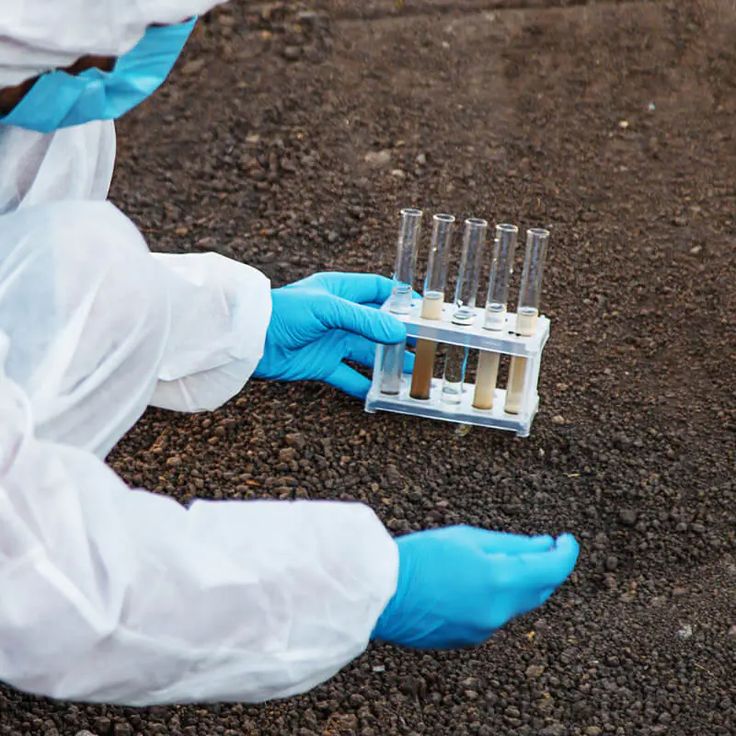
Why the study mattered
Farmers across Njombe, Mbeya, Iringa, and Songwe have reported shifting soil reactions that affect coffee, maize, tea, and avocado productivity. Hakika Fertilizer partnered with TARI Uyole and district agricultural officers to run the company's most comprehensive soil research campaign to date. The goal was simple: quantify acidity and alkalinity trends so we can prescribe the right amendments for every ward.
Methodology at a glance
- Sampling window: March 4 – October 28, 2025 (covering both rainy and dry seasons)
- Four regional hubs (Njombe, Mbeya, Iringa, Songwe) with 27 district-level collection points
- 1,240 composite samples analyzed in the Hakika Soil Lab and cross-checked at SUA
- Parameters: pH, organic matter, CEC, and calcium/magnesium balance
Regional findings
Njombe
Average pH 4.7 with pockets dropping to 4.3 in Lupembe tea blocks.
Recommendation: Biolime + Hakika Organic to lift pH by 0.6 within two seasons.
Mbeya
Valley bottoms trending alkaline (pH 7.8) because of irrigation water, while uplands remain slightly acidic.
Recommendation: Split NPK applications plus gypsum flushes for rice growers.
Iringa
Mixed vegetable clusters holding steady at pH 5.5–6.0 but with declining organic matter (2.1%).
Recommendation: Integrate Hakika Organic plus cover crops after harvest.
Songwe
Maize belts bordering Lake Rukwa showing salinity creep, pushing pH to 8.1.
Recommendation: Flush salts using improved drainage and targeted micronutrients.
What farmers told us
Focus group discussions held in 12 wards highlighted three urgent priorities:
- Affordable liming options for tea and coffee estates facing soil fatigue.
- Field-side testing so smallholders can see pH results during extension visits.
- Blended fertilizer programs that match each ward's soil reaction.
Immediate actions underway
- Deploying 600 MT of BIOLIME to Njombe and Iringa before the 2026 long rains.
- Launching a mobile soil lab route that will visit 38 wards every quarter.
- Working with cooperative unions to co-finance balanced fertilizer packs for onion and maize growers.
How to access tailored recommendations
Farmers who participated in the study will receive individualized reports through their AMCOS chairpersons. New growers can still benefit: bring a 500g soil sample to any Hakika branch, and our agronomists will run the same protocol for a subsidized fee of TZS 12,000 per field.
Need help interpreting your soil report?
Call our Soil Health Desk at +255 679 759 883 or email soils@hakikafertilizer.co.tz to book a 20-minute review session.